Cheek Asymmetry: 7 Causes, Fair Photo Checks, and Safe Next Steps
A practical guide to uneven cheeks and cheekbones, camera distortion, muscle and dental clues, treatment limits, and changes that need prompt care.
Written by Clara Bennett
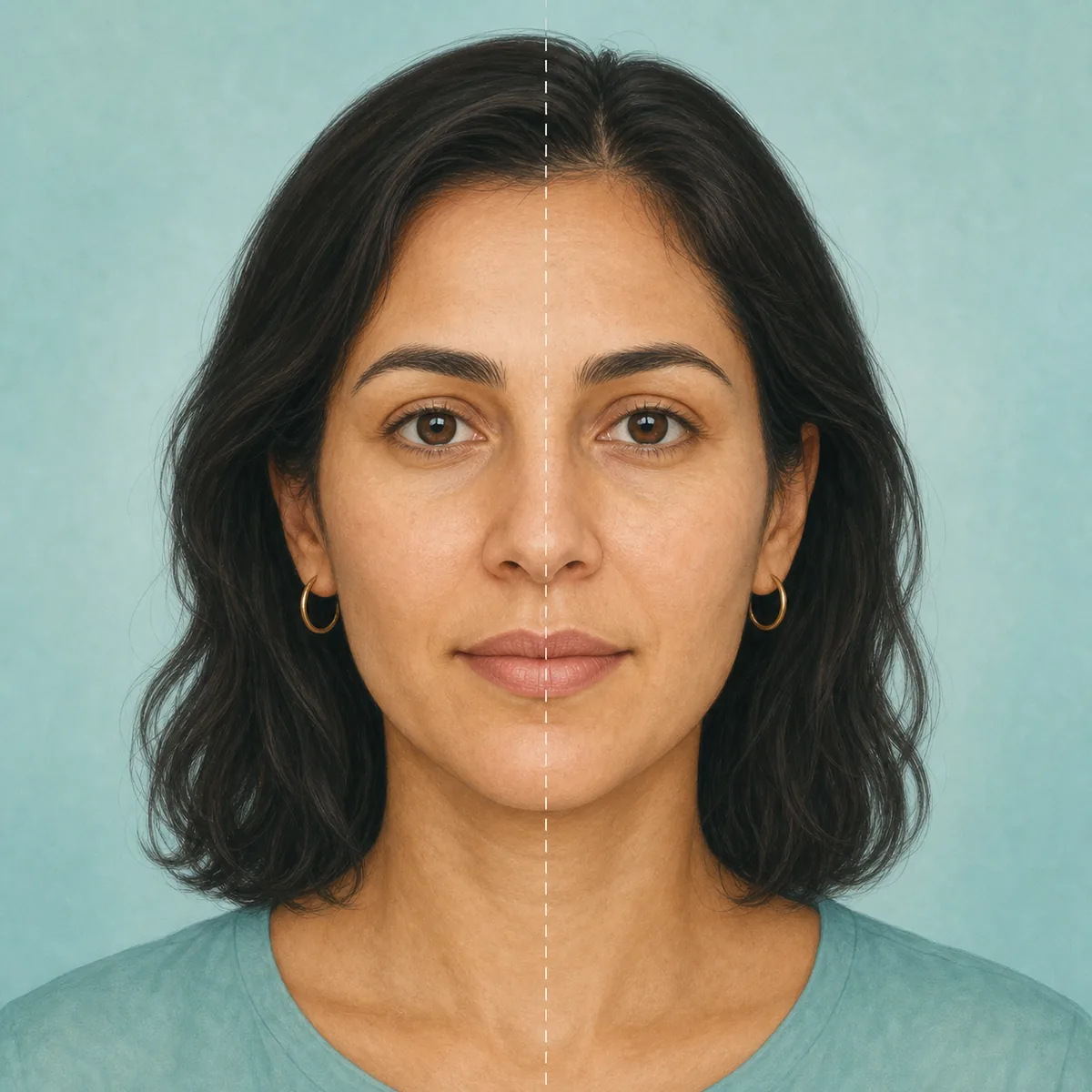
Quick answer
Cheek asymmetry means one cheek or cheekbone looks fuller, flatter, higher, or lower than the other. Mild stable differences are common. Before assuming the cause, compare neutral photos taken at the same distance and lighting. Persistent pain, swelling, bite change, numbness, weakness, or a sudden new difference needs professional assessment rather than an online symmetry score.
Cheek asymmetry is a local facial difference, not a diagnosis. The visible imbalance may come from normal bone and soft-tissue variation, head rotation, uneven light, expression, dental or jaw alignment, chewing-muscle size, swelling, past injury, or several factors together. A selfie shows appearance at one moment; it cannot identify which tissue created the difference.
The most useful first question is whether the pattern is stable and repeatable. If one cheek only looks larger in close phone photos, side lighting, or a half-smile, camera geometry may be doing much of the work. If the same side remains different in well-aligned photos and the change involves pain, dental symptoms, movement, swelling, or progression, the next step should be based on those clues.
This guide focuses on safe observation. It does not promise to make a face perfectly symmetrical, and it does not recommend exercises, fillers, dental treatment, or surgery without an examination. The goal is to help you take a fairer photo, describe what you notice, and choose an appropriate professional when needed.
What Does Cheek Asymmetry Mean?
Cheek asymmetry describes a visible left-right difference in the midface. One side may appear fuller, flatter, wider, more projected, or lower. The cheekbone may sit at a different apparent height, the smile may lift one side more, or the hollow below the cheekbone may be deeper on one side. These patterns can involve bone, skin, fat, muscle, teeth, jaw position, expression, or camera perspective.
No human face is a perfect mirror image. A small difference that has been present for years, does not hurt, and does not affect eating, speech, facial movement, or dental function may simply reflect natural development. The visual size of the difference is also not a reliable measure of medical importance: a dramatic-looking selfie may be mostly perspective, while a subtle but sudden weakness can be urgent.
Cheek asymmetry is narrower than general facial asymmetry. The existing asymmetrical-face guide covers the whole face and broad warning signs; this page concentrates on the cheek and cheekbone region, how to distinguish a photo effect from a repeated midface pattern, and which associated clues change the next step.
How to Check Uneven Cheeks More Fairly
Do not compare a mirrored bathroom reflection with an unmirrored phone photo. They reverse left and right and often use different distances, lighting, and expressions. Instead, create two or three repeatable front-facing images. The purpose is not to prove that one side is defective; it is to see whether the pattern stays similar after obvious photo variables are controlled.
Use the rear camera or a timer if possible, place the lens at eye level, and stand far enough away that the face is not distorted by a close wide-angle lens. Keep the shoulders and ears level, look straight ahead, relax the jaw, and use a neutral expression. Soft light from the front is more informative than light from one side. Disable beauty filters, portrait reshaping, and automatic face slimming.
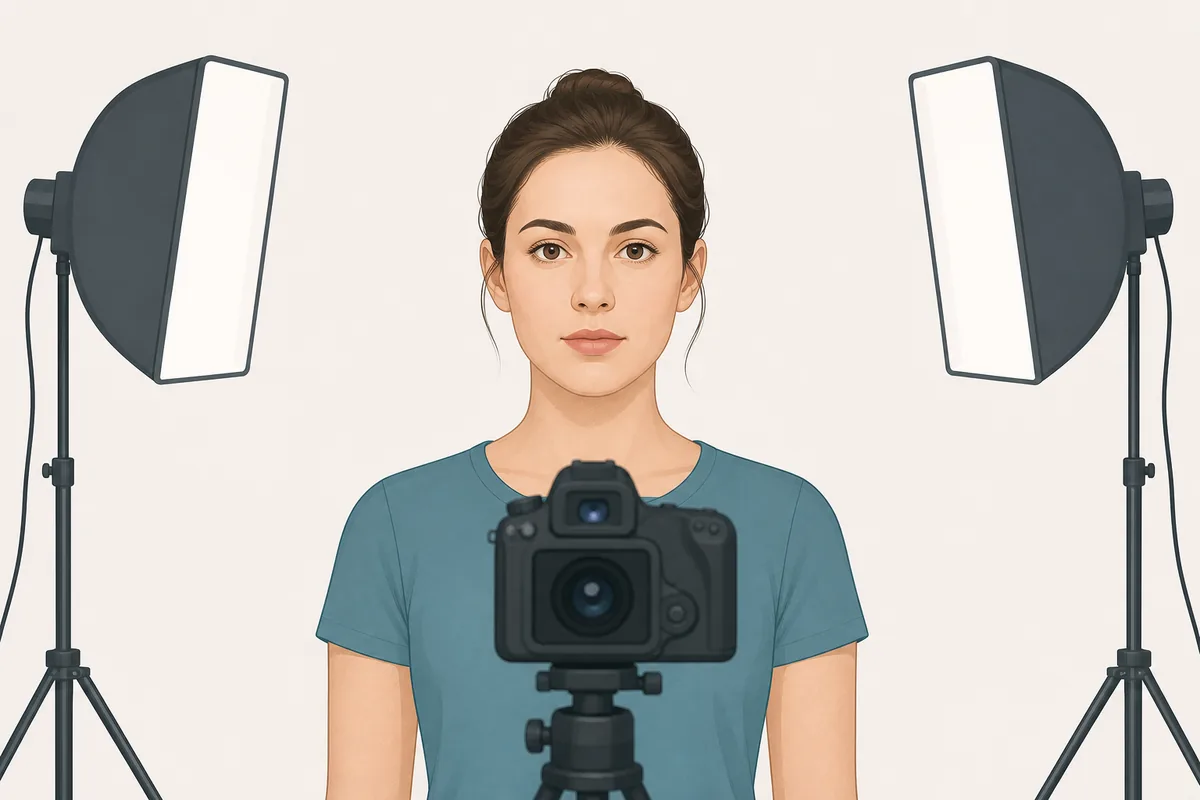
- Step back and crop later. Greater camera distance usually reduces perspective differences between the near and far sides of the face.
- Center the head. A small turn can make one cheek look wider and the other flatter, even when the face has not changed.
- Use even front light. A shadow under one cheekbone can imitate extra hollowing, height, or volume.
- Relax the expression. A half-smile, clenching, squinting, or raising one brow changes the cheeks and mouth corners.
- Repeat on another day. A stable pattern across comparable photos is more useful than one image taken when tired, swollen, or tense.
Seven Possible Causes of Cheek or Cheekbone Asymmetry
These are cause groups, not a self-diagnosis checklist. More than one can apply, and several require an examination to distinguish. Start with timing, symptoms, and repeatability rather than choosing a cosmetic solution from appearance alone.
| Possible factor | Clues to record | Reasonable next step |
|---|---|---|
| Normal bone and soft-tissue variation | Stable for years, no pain or functional change | Usually observe; compare fair photos if curious |
| Camera angle, light, or expression | Changes strongly between selfies or disappears in a centered photo | Standardize distance, alignment, lighting, and expression |
| Chewing-muscle or tension difference | Clenching, tenderness, grinding, or one side feeling more active | Discuss persistent symptoms with a dentist; do not force one-sided chewing |
| Dental bite or jaw alignment | Dental midlines differ, bite feels shifted, jaw deviates, or chewing is uneven | Dental or orthodontic assessment |
| Soft-tissue change, weight change, or aging | Gradual change in fullness without a sudden neurological symptom | Primary-care, dermatology, or qualified cosmetic consultation as appropriate |
| Swelling, dental infection, sinus or salivary issue, or injury | Pain, warmth, fever, tooth symptoms, rapid swelling, or trauma | Prompt dental or medical assessment |
| Nerve or neurological change | Sudden drooping, weakness, numbness, speech trouble, or difficulty closing one eye | Urgent medical evaluation |
Is It the Cheek, Cheekbone, Jaw, or Temporary Swelling?
People use “uneven cheeks” for several different patterns. Locating the difference helps you describe it, but it still does not establish the cause. Look at the same neutral image and note whether the main difference is high in the cheekbone, in the soft cheek beside the nose and mouth, lower near the jaw angle, or around a painful or swollen area.
Also compare rest with a gentle natural smile. A difference that appears mainly during expression may involve ordinary movement patterns or facial weakness; a difference present at rest and during expression may reflect stable structure or soft tissue. Do not repeatedly test strong facial movements if they cause pain, dizziness, or fatigue.
Cheekbone height or projection
The upper midface looks higher, wider, or more forward on one side. Bone, head rotation, and lighting can all affect this appearance.
Soft-cheek fullness
One side looks fuller or flatter beside the nose or mouth. Fat distribution, swelling, muscle tone, aging, and expression may contribute.
Lower-face or jaw pattern
The main difference sits near the jaw angle or chin. Use the asymmetrical-jaw guide for bite, joint, and lower-face questions.
New localized swelling
Tenderness, warmth, fever, tooth pain, rapid growth, or a lump is not a symmetry-tool question and needs clinical assessment.
Safe Next Steps for Asymmetrical Cheeks
Begin with the least invasive action that matches the evidence. A stable, symptom-free difference may need nothing beyond a fair photo and realistic expectations. A recurring concern with clenching, bite change, jaw movement, or dental symptoms belongs with a dentist. A skin, soft-tissue, or gradual volume concern may begin with primary care, dermatology, or a qualified clinician who can examine the area in person.
Keep a short record if the appearance is changing: date, side, pain, swelling, dental symptoms, recent illness or injury, and whether the difference is present at rest and during a smile. Avoid daily close-up photos, which can amplify anxiety and normal variation. Weekly or less frequent standardized photos are more useful when a clinician has asked you to track change.
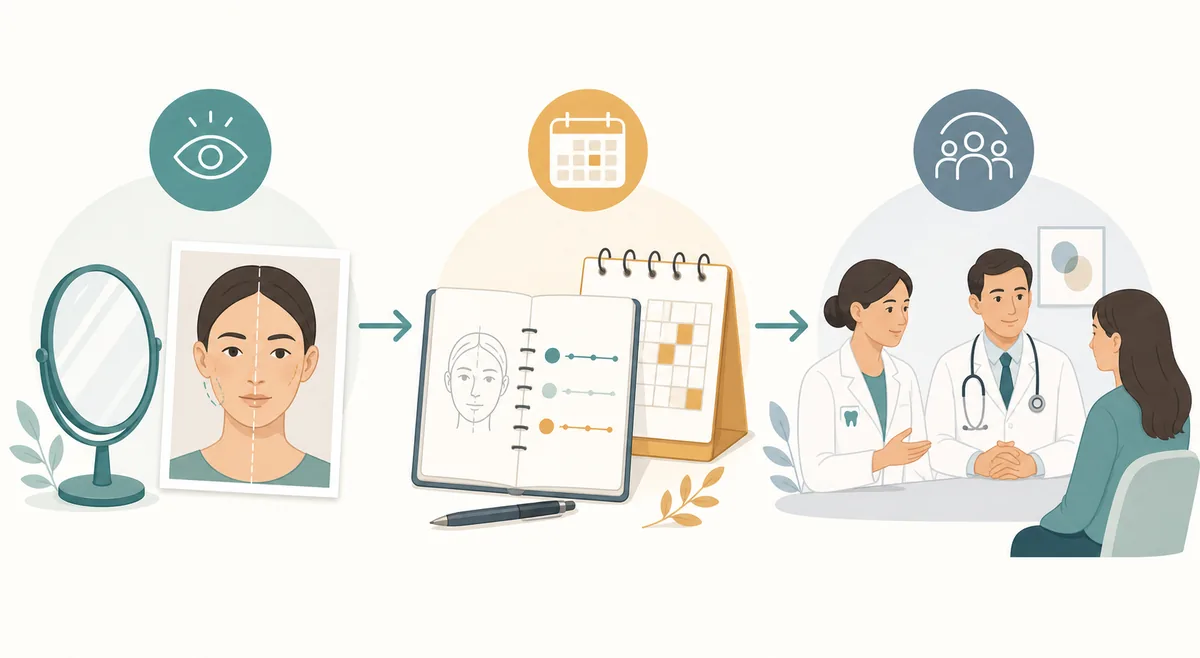
- Observe: Use two or three centered photos and note whether the difference is stable without symptoms.
- Record: Track timing, pain, swelling, bite, movement, dental symptoms, and recent injury—not only appearance.
- Ask a dentist: Choose this route for bite changes, tooth symptoms, clenching, jaw pain, clicking, or chewing differences.
- Ask a medical clinician: Choose this route for new swelling, a lump, skin or soft-tissue change, weakness, numbness, or unexplained progression.
- Seek urgent help: Do not wait for an online result when facial drooping or weakness begins suddenly, especially with arm weakness or speech difficulty.
Can Cheek Asymmetry Be Fixed? Treatment Depends on the Cause
There is no single treatment for cheek asymmetry. Photo setup can correct only photographic distortion. Dental or orthodontic care addresses selected tooth and bite problems. Clinician-guided care may help painful muscle or jaw-joint conditions. Cosmetic procedures can alter selected soft-tissue or muscle-volume differences, while surgery is reserved for specific structural or reconstructive indications after specialist planning.
Facial exercises and deliberately chewing on one side are not universal solutions. Exercises cannot reliably remodel adult cheekbones, and overloading one side may worsen jaw or muscle symptoms. Fillers or other cosmetic treatments may visually balance volume but do not diagnose or correct a dental, skeletal, infectious, or neurological cause. Every intervention has limits and risks, so the cause and goal should be clear first.
If appearance is the only concern, ask the clinician to explain what tissue they believe is different, whether the result is temporary or structural, what could go wrong, and whether doing nothing is reasonable. A symmetry percentage should never be the sole reason for treatment.
When Cheek Asymmetry Needs Prompt or Urgent Care
Arrange prompt dental or medical care for new or worsening swelling, tooth pain, fever, warmth, redness, a new lump, recent trauma, persistent facial pain, difficulty opening the mouth, a changed bite, or progressive asymmetry. These findings require an examination and sometimes imaging; an online photo cannot safely rule out infection, injury, or another condition.
Sudden facial drooping, weakness, or numbness is different from long-standing natural asymmetry. Emergency stroke guidance commonly uses face drooping, arm weakness, and speech difficulty as warning signs. Difficulty closing one eye or a rapidly developing one-sided facial weakness also needs urgent medical assessment, because several causes can look similar at first.
Bottom Line
Cheek asymmetry is common, but the word covers many different things. Start by removing the easiest source of error: camera distance, head rotation, light, and expression. Then judge the pattern by stability, timing, symptoms, and function rather than by how dramatic one selfie looks.
A mild stable difference without symptoms may simply be normal anatomy. Dental or jaw clues point toward a dentist or orthodontist; new swelling, a lump, pain, injury, or progressive change points toward medical or dental assessment; sudden weakness or drooping requires urgent care. Use a face symmetry test as a photo-comparison aid, not as a diagnosis or a treatment plan.
Frequently Asked Questions
Is cheek asymmetry normal?
Yes. Mild, stable differences in cheek fullness or cheekbone height are common. Seek assessment when the difference is new, progressing, painful, swollen, affects the bite or movement, or comes with weakness or numbness.
Why is one cheek bigger than the other?
Camera angle, head rotation, light, expression, normal bone and fat distribution, chewing-muscle size, dental alignment, swelling, injury, or several factors can contribute. A single selfie cannot distinguish them.
How do I fix asymmetrical cheeks naturally?
There is no proven universal home method. Better photo setup can reduce distortion, but exercises or one-sided chewing cannot safely correct every bone, dental, muscle, or soft-tissue cause. Treat symptoms and verified causes with qualified guidance.
Can sleeping on one side cause cheek asymmetry?
Sleep can temporarily affect pressure or morning puffiness, but a visible difference does not prove sleep caused a lasting structural change. Persistent or progressive asymmetry needs a broader evaluation.
Can dental problems make one cheek look different?
They can. Bite shifts, missing teeth, tooth pain, infection, jaw position, and chewing patterns may affect appearance or function. A dentist can examine these factors more reliably than a photo.
When is uneven cheek swelling urgent?
Seek prompt care for rapid swelling, fever, redness, severe pain, tooth symptoms, trauma, trouble swallowing or breathing, or a new lump. Sudden facial weakness, drooping, numbness, or speech trouble needs urgent medical attention.
References and Safety Sources
Related Guides and Tools
Asymmetrical Face Guide
Learn the broad causes of whole-face asymmetry and important warning signs.
Asymmetrical Jaw Guide
Focus on bite, jaw movement, chewing muscles, and lower-face imbalance.
Face Asymmetry in Photos
See how lens distance, mirroring, light, and pose can change facial balance.
How to Fix an Asymmetrical Face
Compare photo, dental, medical, and cosmetic pathways cautiously.
Face Symmetry Test
Compare repeatable front-facing photos with a symmetry analysis.
Face Symmetry Filter
Mirror the left and right halves of a portrait locally in your browser.